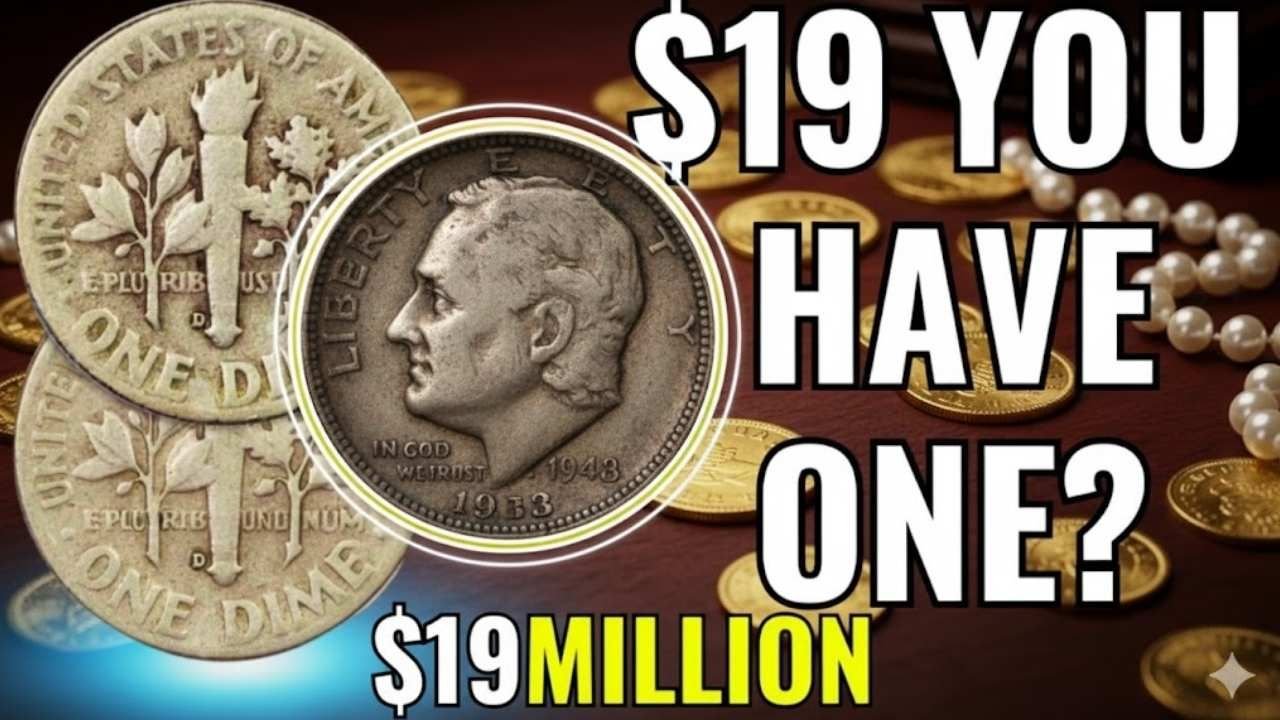
Top 5 Rare Roosevelt Dimes Worth a Fortune: Since their introduction in 1946, Roosevelt dimes have woven themselves into the very fabric of American daily life. For many, they are simply small change, but for a growing community of enthusiasts, these coins are windows into history, art, and meticulous craftsmanship. The journey from pocket change to prized collectible is not about mere speculation, but about connecting with stories etched in silver and copper-nickel. This guide explores the human element behind collecting these familiar coins, focusing on the characteristics that transform the ordinary into the extraordinary.
The Heart of a Collection: What Draws Us to These Coins
The attraction to Roosevelt dimes stems from a blend of personal passion and shared history. Collectors are not just accumulating metal; they are preserving pieces of a narrative that began in the wake of World War II. The factors driving interest are deeply human: the thrill of the hunt for a long-sought date, the appreciation for the sharp detail of a freshly minted coin, and the fascination with the rare mistakes that escaped the mint. This hobby thrives on patience, knowledge, and the joy of holding a tangible piece of the past.
Foundations of History: The Early Silver Series (1946–1964)
The first chapters of the Roosevelt dime story are told in 90% silver. Coins from this era carry a dual significance: their precious metal content and their historical proximity to the mid-20th century. Certain issues from this period, produced in smaller quantities or saved in exceptional condition by fewer people, have naturally become focal points for collectors. Their value is anchored in their scarcity and survival, representing a direct link to America’s post-war and Cold War eras. Finding one in circulation today is a rare and special event, a whisper from a different monetary time.
The Modern Era Begins: Clad Coinage and Hidden Gems (1965–1980)
The shift to copper-nickel clad composition in 1965 marked a new chapter. While these coins may lack intrinsic silver value, the pursuit shifted toward exceptional preservation and intriguing varieties. Brilliant, uncirculated examples from the late 1960s and 1970s, saved by foresighted individuals, now stand out. This period also includes coins with subtle doubling in their design elements or other minor anomalies. Discovering these nuances requires a keen, educated eye, turning routine examination into a rewarding detective hunt.
The Fascination of Flaws: When Mistakes Become Treasures
In numismatics, perfection is often prized, but sometimes a notable imperfection tells the most compelling story. Occasional striking errors—such as a doubled impression on the lettering or a misaligned design—can significantly increase a dime’s interest to collectors. These coins are unique artifacts of the minting process, each one-off error being a singular snapshot of a moment when the complex machinery of coin production faltered. They remind us that behind every coin is a human-made process, beautifully imperfect.
The Importance of Verification: Trust and Confidence in Collecting
For a coin of significant claimed rarity or condition, professional certification has become a cornerstone of the modern hobby. Services that authenticate, grade, and encapsulate coins provide a common language of trust between buyers and sellers. A certified grade confirms a coin’s state of preservation, from lightly circulated to pristine mint-state. This verification does more than assign a number; it offers confidence, allowing collectors to focus on the acquisition and appreciation of their piece with assured peace of mind.
A Thriving Modern Community: The Market Today
The world of coin collecting has been wonderfully democratized and energized by digital connectivity. Online forums, marketplaces, and social media groups have brought together beginners and seasoned experts from across the globe. This has increased visibility for all types of Roosevelt dimes, from the key-date rarities to the intriguing circulated finds. The community is growing and evolving, with new collectors often starting their journey by carefully examining the dimes they receive in everyday change, hoping to spot something special.
Starting Your Own Search: A Thoughtful Approach
If you feel inspired to look closer at the dimes in your possession or to start a purposeful collection, begin with mindful observation. Examine the date and mint mark (found on the reverse, near the bottom). Use a magnifying glass to appreciate the details and to check for any unusual characteristics. Research through reputable price guides and auction archives to understand context. For any coin that seems potentially valuable, consider seeking an opinion from experienced collectors or professionals. Remember, the most rewarding collections are often built slowly, with each coin chosen for the story it tells or the personal interest it sparks.
The Path Forward: A Lasting Passion
The future for Roosevelt dime collecting appears bright, fueled by continuous education and community engagement. Interest remains strong in the classic rarities, while appreciation grows for the conditionally scarce examples of the modern era. The hobby’s longevity is secured by each new collector who pauses to appreciate the design, history, and subtle variations of this enduring piece of American currency. It’s a pursuit that blends historical curiosity with the timeless pleasure of building a meaningful, personal archive.
A Final Reflection
Engaging with Roosevelt dimes is more than an investment; it is an accessible and deeply rewarding pastime. It connects us to decades of American history through a common, everyday object. Whether you are searching pocket change for a hidden treasure or deliberately acquiring a masterpiece of minting, the journey cultivates observation, learning, and connection. Every coin has a tale, and the joy lies in uncovering it.
Note: The world of coin collecting is dynamic. Values and collectibility are influenced by market demand, new discoveries, and broader economic factors. For detailed valuations or significant purchases, consulting with established numismatic experts and relying on certified coins is always the most prudent path.
