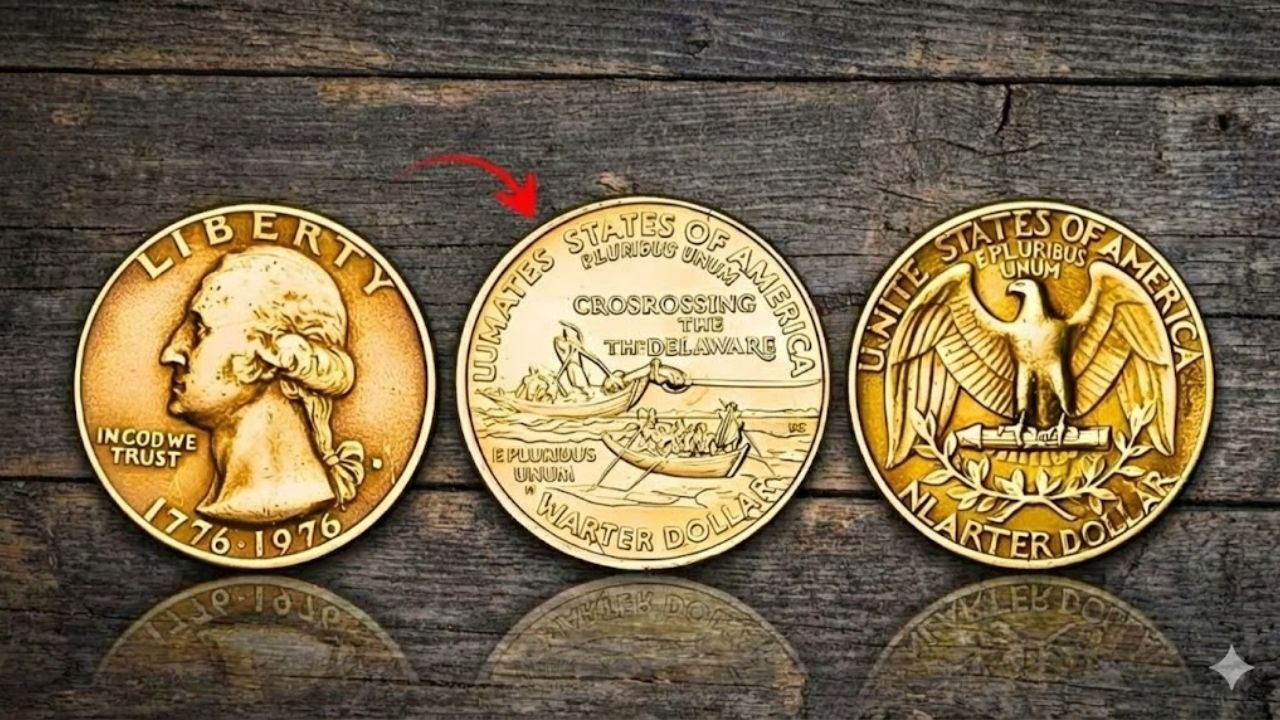
1975 Quarters Still in Circulation : Imagine finding a small piece of history in your everyday change. The 1975 Washington quarter, a coin many of us have held without a second thought, carries this very possibility. For collectors and curious minds alike, it represents an accessible entry point into the stories embedded in our currency. While millions were made for commerce, a select few of these quarters, due to unusual minting quirks or exceptional preservation, have transformed into sought-after treasures. The thrill lies in the hunt—the chance that an ordinary-looking coin from a common year might hold extraordinary value.
The Story Behind the Coin
By 1975, the profile of George Washington and the emblematic eagle on the reverse were familiar features in American pockets. This was a year of standard production, yet it exists at a interesting crossroads in minting history. It was the last full year before the nation’s Bicentennial would inspire special commemorative designs, making it a final chapter of the classic mid-century Washington quarter series. The coins struck in Philadelphia, Denver, and San Francisco were workhorses of the economy. However, within that vast output, the U.S. Mint also created limited proof sets in San Francisco—coins with a stunning, mirror-like finish intended for collectors. These special strikes, alongside occasional mistakes that slipped through quality control, are what fuel the modern-day search.
Noticing the Unusual: A Guide for the Observant
The true allure of the 1975 quarter often lies in its imperfections. Minting errors, born from mechanical hiccups, are where face value can leap to collector value. The most notable include the “double die” error, where the design appears subtly duplicated, giving letters and features a shadowed effect. An “off-center” strike, where the coin’s image is noticeably misaligned within its blank metal circle, is another prized find. Sometimes, the blank planchet itself was flawed, leading to cracks or incomplete areas in the final coin. These were not made to be rare; they are accidents frozen in metal, and each one tells a unique story of the day it was made. For the Denver and San Francisco issues, the mint mark itself can be a focal point, with certain stylistic variations or exceptionally sharp strikes garnering extra attention.
What Determines a Quarter’s Worth?
Value is a conversation between rarity and condition. A well-worn, circulated 1975 quarter is still just twenty-five cents. Its journey through countless hands is its own history. But a quarter that was saved, never entering circulation, retains its original luster and sharp detail. These “uncirculated” or “proof” specimens are where significant value begins. Professional grading services act as neutral experts, sealing coins in protective slabs with a grade that authenticates their condition. This certification builds trust in the market. For error coins, the value is dictated by the dramatic nature of the mistake and its appeal to collectors. A pronounced double die or a striking off-center error can command prices from hundreds to several thousand dollars, turning a casual find into a windfall.
Beginning Your Own Search
If this piques your interest, start by looking closely at any quarters from 1975 you encounter. Use a magnifying glass and good light to check for those doubling errors or misalignments. When looking to acquire coins, connect with established dealers or consider certified coins from reputable auction houses. This ensures you understand exactly what you’re getting. If you believe you’ve found something special, having it professionally graded is a wise step. For preservation, keep coins in inert plastic holders, away from harsh environments. The goal is to protect their story.
Why We Keep Looking
The lasting appeal of the 1975 quarter isn’t just about potential profit. It’s about connection. It represents a tangible link to an era in our national life, minted just before the Bicentennial celebration. It embodies the idea that wonder can be found in the mundane—that a coin from a jar of spare change might be a rare artifact. This combination of historical place, accessible rarity, and the democratic thrill of the hunt keeps the search alive. It invites everyone to become a temporary archivist, holding a small, silver disc up to the light and wondering, “What if?”
In the end, the 1975 quarter is a testament to patient observation. It reminds us that value isn’t always declared loudly; sometimes, it whispers from the bottom of a drawer, waiting for a discerning eye to recognize its unique place in the grand narrative of American coinage.
